Form II Books
Form II covers roughly fourth through sixth grade — ages 9 to 12. Reading noticeably lengthens here: full novels instead of short stories, the first unedited Shakespeare play, and the start of Plutarch. It's also where written narration typically begins, alongside the oral narration that's been running since Form I.
Story and literature
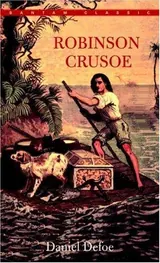
Robinson Crusoe by Daniel Defoe
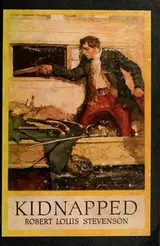
Kidnapped by Robert Louis Stevenson
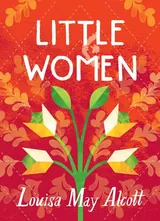
Little Women by Louisa May Alcott
A Christmas Carol by Charles Dickens
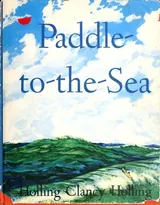
Paddle-to-the-Sea by Holling C. Holling
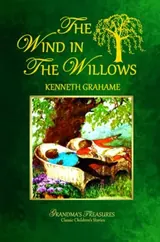
The Wind in the Willows by Kenneth Grahame
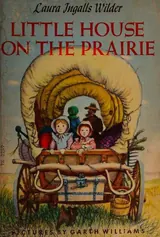
Little House on the Prairie and Farmer Boy by Laura Ingalls Wilder
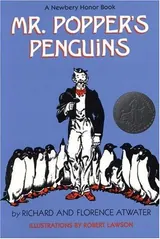
Mr. Popper's Penguins by Richard and Florence Atwater
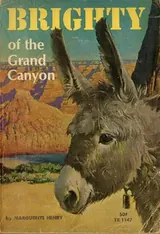
Brighty of the Grand Canyon by Marguerite Henry
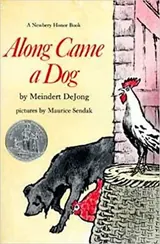
Along Came a Dog by Meindert DeJong
Shakespeare
The first full, unedited play, usually a comedy — A Midsummer Night's Dream and The Tempest are common starting points, chosen for a lighter tone and an easier plot to follow. AmblesideOnline schedules full plays beginning in Year 4, which is where Form II starts. See Shakespeare for the full multi-year rotation that continues from here through Form VI.
Plutarch
Plutarch's Lives begins in Form II, usually with an accessible Life such as Publicola. Mason's own students read North's or Dryden/Clough's translation; modern families often start with a gentler retelling by Gould, Kaufman, or Weston, or a study-guide edition built for a first attempt. See Plutarch for why Mason considered it essential and how the reading method differs from an ordinary narration passage.
History and biography
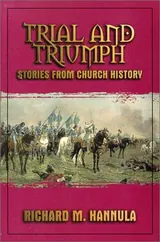
Trial and Triumph by Richard Hannula
Church history, continuing from Form I.
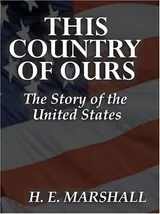
This Country of Ours by H. E. Marshall
American history, picking up where Form I's British history left off.
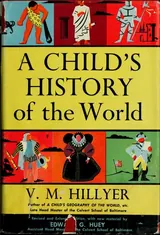
A Child's History of the World by Virgil Hillyer
See history for the full spine list and how the chronology continues into the older Forms.
Poetry
Form II moves from nursery verse into major established poets — Tennyson, Wordsworth, and Emily Dickinson are typical, followed by Kipling, Longfellow, and Whittier or Dunbar in later terms, then Frost, Sandburg, and Langston Hughes. Full term-by-term detail is on the poetry page.
How Form II reading changes from Form I
Two real shifts happen here, not just longer books:
- Written narration begins, usually a few years after oral narration is solid — commonly around age nine or ten, and never as a full replacement for narrating out loud. See how to narrate.
- Plutarch and Shakespeare become permanent fixtures, not one-off introductions. Both keep running, one selection per term, all the way through Form VI.
Common questions
Why does Plutarch start now instead of earlier?
Plutarch's prose is genuinely harder than a Form I story — long sentences, unfamiliar political context, and translated 17th-century English if using the original translations. Form II students have enough narration practice to handle a harder, slower text, especially starting with a gentler modern retelling. AmblesideOnline's own guidance is that students ready to read Shakespeare's plays in the original are usually ready for Plutarch.
Does written narration replace oral narration now?
No. Oral narration continues through the rest of a student's education. Written narration is added alongside it, starting small and growing slowly over a couple of years, not switched on all at once.
Is this the complete Form II list?
No — a curated starting point. AmblesideOnline's free Years 4–6 booklists are the fullest free source for the complete term-by-term schedule.