Form I Books
Form I covers roughly kindergarten through third grade — ages 6 to 9. At this stage, Mason's programmes favored short, complete stories over long novels: a whole fable, a whole myth, a chapter that stands on its own, rather than a plot a child has to hold in their head across weeks.
The list below is a curated starting point drawn from AmblesideOnline's free Years 0–3 booklists, cross-checked loosely against the shape of the original PNEU Programmes. It isn't the only valid Form I list — see why no single official list exists — but it's a trustworthy place to start.
Story and literature
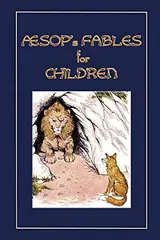
Milo Winter edition
The standard first narration practice: one fable, one clear event, start to finish.
Just So Stories by Rudyard Kipling
Tales from Shakespeare by Charles Lamb
Or Beautiful Stories from Shakespeare by E. Nesbit. The first introduction to Shakespeare's plots, years before the unedited plays.
The Pilgrim's Progress by John Bunyan
Book I, usually spread across Forms I and II.
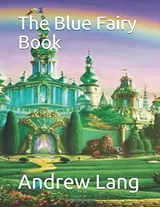
Andrew Lang's color Fairy Books, or Grimm and Andersen, read with some editorial judgment about content.
Parables from Nature by Margaret Gatty
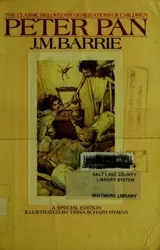
Peter Pan by J. M. Barrie
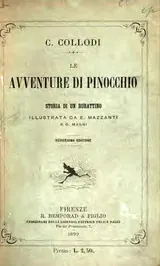
Pinocchio by Carlo Collodi
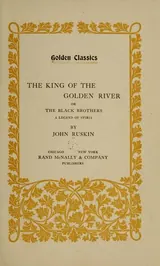
The King of the Golden River by John Ruskin
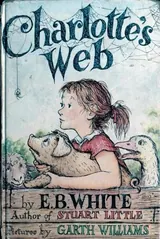
Charlotte's Web by E. B. White
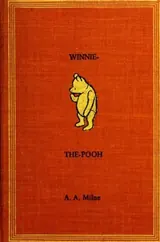
Winnie-the-Pooh and The House at Pooh Corner by A. A. Milne
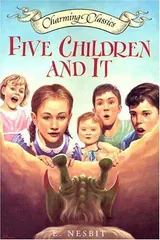
Five Children and It by E. Nesbit
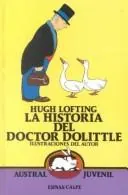
The Story of Doctor Dolittle by Hugh Lofting
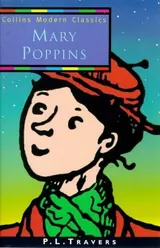
Mary Poppins by P. L. Travers
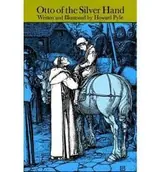
Otto of the Silver Hand by Howard Pyle
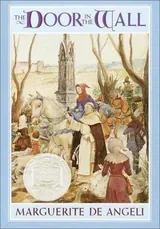
The Door in the Wall by Marguerite de Angeli
History and biography
Our Island Story by H. E. Marshall
British history told as one continuous narrative, from the legendary period forward.
Fifty Famous Stories Retold by James Baldwin
Short, self-contained historical anecdotes, good for the same reason Aesop is: one clear event per reading.
Viking Tales by Jennie Hall
The Little Duke by Charlotte Yonge
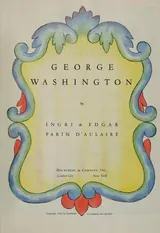
George Washington by Ingri and Edgar Parin d'Aulaire
A picture-book biography for the earliest American-history introduction; the d'Aulaires' is the common choice.
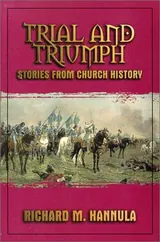
Trial and Triumph by Richard Hannula
Church history. Some CM circles substitute Saints and Heroes by George Hodges.
Poetry
Form I reads one poet's work per term rather than a mixed anthology — see the dedicated poetry page for the full rotation. The earliest terms typically open with A Child's Garden of Verses by Robert Louis Stevenson and A.A. Milne's Now We Are Six and When We Were Very Young, then move through Walter de la Mare, Eugene Field, Christina Rossetti, William Blake, and Sara Teasdale across the rest of Form I.
Nature study reference
The Handbook of Nature Study by Anna Botsford Comstock
A parent and teacher reference used across several years, not a book handed directly to a young child.
The Burgess Bird Book for Children by Thornton Burgess
See nature study for field guides and further resources, and keeping a nature journal for how a student actually uses them outdoors.
How Form I reading actually runs
Readings stay short — a few pages or one short story at a sitting — because narration after a single reading is the main check for understanding at this age, not a worksheet. See how to narrate for what that looks like. Don't expect a six-year-old to sit through what a ten-year-old will manage; the shortness of the reading is doing real work, not being generous.
Common questions
Is this the complete Form I list?
No. It's a curated starting point. AmblesideOnline publishes the complete, free, term-by-term Years 0–3 schedules this list draws from, and Charlotte Mason Poetry publishes the original PNEU programmes for readers who want the primary source.
What if my child isn't ready for narration yet?
Formal narration usually starts around age six. Younger children often narrate informally without being asked — telling a parent what happened in a story is the same skill, just unprompted.
Do these titles need to be read in a specific order?
No fixed order is required. Variety within a week matters more — alternating subjects rather than reading two similar books back to back.