Nature Study in a Charlotte Mason Education
Nature study is Mason's term for direct, regular time outdoors observing real plants, animals, weather, and landscape — with reference books used to identify and go deeper afterward, not assigned as the primary reading.
This page covers the books and resources. For the actual weekly practice of keeping a notebook, see keeping a nature journal, written directly for the student doing it.
The core reference
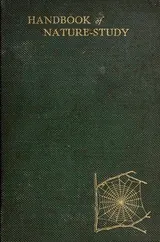
The Handbook of Nature Study by Anna Botsford Comstock is the reference nearly every CM family eventually owns — a genuinely enormous book, over 900 pages, not meant to be read cover to cover but consulted subject by subject: a chapter on toads, a chapter on maple trees, a chapter on clouds, each with specific, guided questions a parent can turn into a short outdoor lesson without prior expertise. It's over a century old and the prose shows it, but the content — how to actually look closely at ordinary things — hasn't dated.
Field guides and identification
- A basic regional field guide for birds, trees, and wildflowers matched to where you actually live does more good than a comprehensive national guide that's mostly irrelevant species.
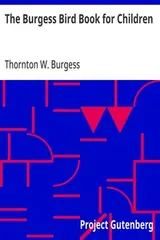
- The Burgess Bird Book for Children by Thornton Burgess — a Form I-appropriate storybook introduction to common backyard birds, often read alongside or before a proper field guide.
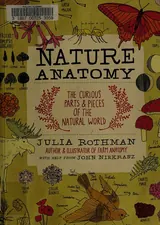
- Modern illustrated guides such as Julia Rothman's Nature Anatomy work well as a lighter, more visual companion to Comstock for younger students.
Modeling the notebook itself
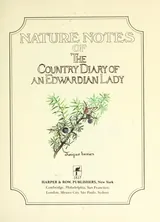
- The Country Diary of an Edwardian Lady by Edith Holden — a reproduction of a real 1906 nature notebook, useful as inspiration for what a notebook can look like, not as a standard to match. Edith Holden was an art student; her pages aren't the bar to clear.
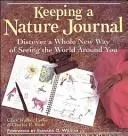
- Keeping a Nature Journal by Clare Walker Leslie — a practical, encouraging guide to the format itself, aimed at removing the pressure that comparing yourself to Edith Holden creates.
The books themselves
The Handbook of Nature Study by Anna Botsford Comstock
Over 900 pages, not meant to be read cover to cover but consulted subject by subject. Each chapter carries specific guided questions a parent can turn into a short outdoor lesson without prior expertise.
The Burgess Bird Book for Children by Thornton Burgess
A Form I storybook introduction to common backyard birds, often read alongside or before a proper field guide.
Nature Anatomy by Julia Rothman
A lighter, more visual companion to Comstock for younger students.
The Country Diary of an Edwardian Lady by Edith Holden
A reproduction of a real 1906 nature notebook. Inspiration for what a notebook can look like, not a standard to match: Holden was an art student.
Keeping a Nature Journal by Clare Walker Leslie
A practical guide to the format itself, aimed at removing the pressure that comparing yourself to Edith Holden creates.
How nature study actually fits the week
Regular, short, outdoor time — commonly a weekly afternoon in Mason's own schools, though many modern families do it more often in smaller doses — comes before any book work. The reference books answer questions that come up outdoors; they don't replace being outdoors.
A nature-study “lesson” from the Handbook of Nature Study — a few guiding questions about a bird at a feeder, a sequence of specific things to look for — works well as preparation the adult does ahead of time, not as a text handed straight to the child.
Common questions
Do we need the Handbook of Nature Study to do this well?
No — it's the classic reference, not a requirement. A regional field guide and a genuine habit of going outside weekly matter more than owning any specific book.
Is nature study the same as the nature journal?
Related, not identical. Nature study is the broader practice — time outdoors, observation, identification. The nature journal is the record of it.
What if we live somewhere without much accessible nature — a city, an apartment?
A backyard, a park, a single street tree watched across a year, or a windowsill all work. Mason's own emphasis was close, repeated attention to whatever is actually available, not access to wilderness.